Brooks Rehabilitation Adds Lite Run Tech to Improve Patient Mobility
Brooks Rehabilitation has become the first nationwide inpatient rehabilitation hospital to adopt Lite Run’s FDA-registered anti-gravity mobility technology.

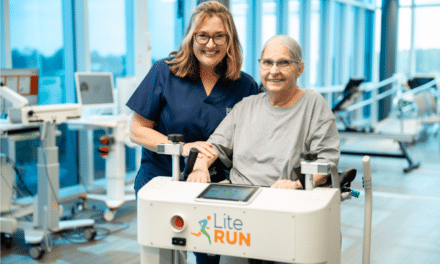
Brooks Rehabilitation has become the first nationwide inpatient rehabilitation hospital to adopt Lite Run’s FDA-registered anti-gravity mobility technology.

Reha-Stim Medtec Inc introduces the FLOAT to the US market. Reportedly the world’s first 3-dimensional overhead body weight support system, it is designed to offset a patient’s body weight by up to 200 lbs.


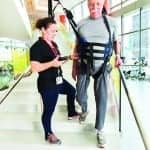
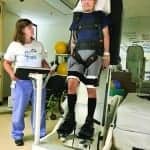
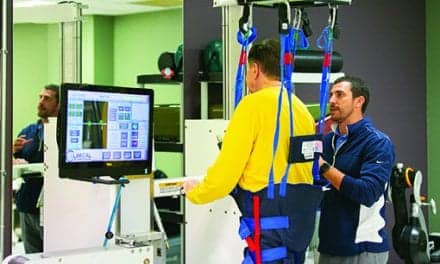
Therapists use activity, technology, and evidence-based guidelines to deliver treatment that rewires motor pathways in stroke patients. A feature for Rehab Management by Meri K. Slaugenhaupt, MPT, and Valerie Bucek, MA, CCC-SLP/L.
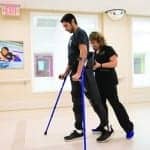

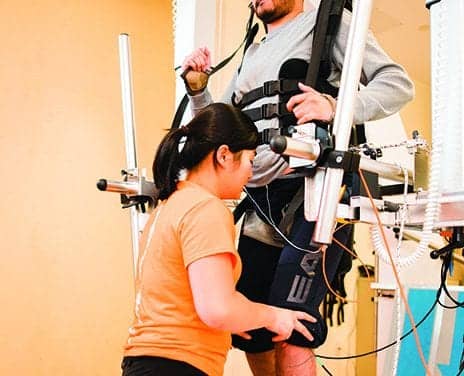
Facility-based equipment purchases can lift outcomes to new heights, but managers must evaluate technologies carefully to get the payoffs. A feature for the January/February 2018 issue of Rehab Management by Rebecca Martin, OTR/L, OTD, and Dennis Tom-Wigfield, PT, DPT.
Read More
Victor, NY-based Gorbel Inc, manufacturer of the SafeGait line of medical rehabilitation and training products, celebrates its 40th anniversary of its founding.
Read More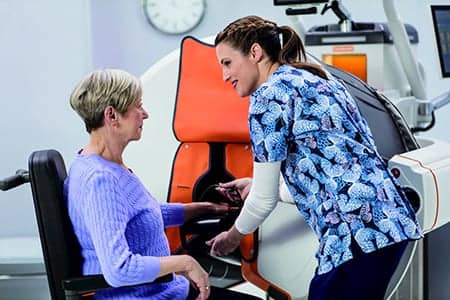
The CARESTREAM OnSight 3D Extremity System from Carestream Health recently debuted on the exhibit hall floor during the American Academy of Orthopaedic Executives annual meeting, April 22-25.
Read More
Advanced rehabilitation technologies are finding favor as adjuncts to skills in building excellence among inpatient stroke programs. A feature for Rehab Management by Frank Long.
Read More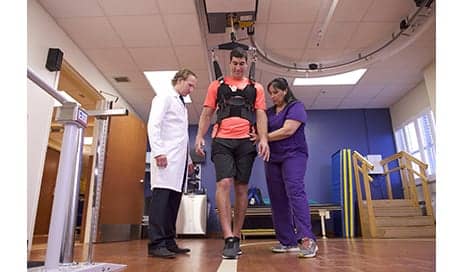
Outcomes and safety improve as therapists embrace equipment and develop a culture of technology. An exclusive feature from Rehab Management.
Read More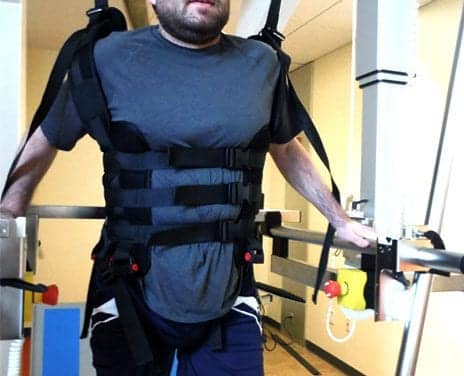
How does robotics really benefit spinal cord-injured patients? Kennedy Krieger Institute researchers test three robotic devices and discover how differences in engineering and application affect functional outcome measures among patients affected by tetraplegia and paraplegia.
Read More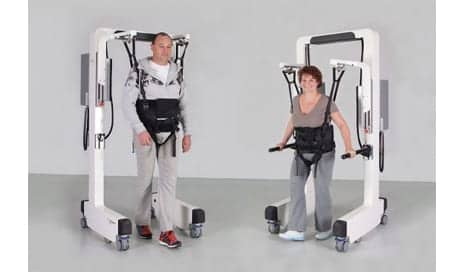
The Andago mobile robot for body weight-supported gait training is now available for use in the United States, according to its manufacturer—Norwell, Mass-headquartered Hocoma Inc USA.
Read More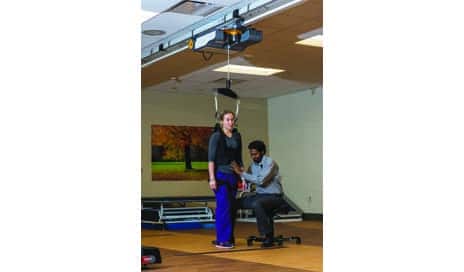
“First Attempt In Learning” approach enables patients to practice high-risk activities with the frequency needed to acquire skills that will help them move safely. An exclusive Rehab Management clinical feature.
Read More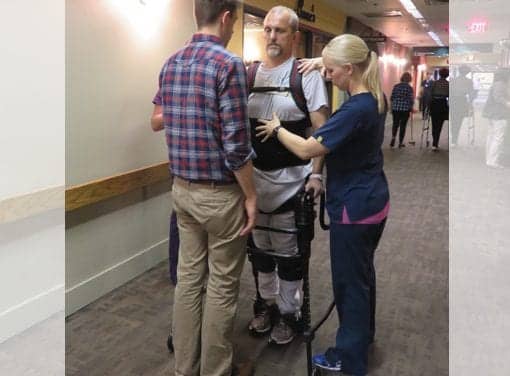
Improving quality of movement without compromising safety is a shared goal for patients and therapists.
Read More
Gorbel Medical introduces its updated SafeGait 360° Balance and Mobility Trainer, as well as two brand-new devices, during the American Physical Therapy Association’s Combined Sections Meeting, February 17-20 in Anaheim, Calif.
Read More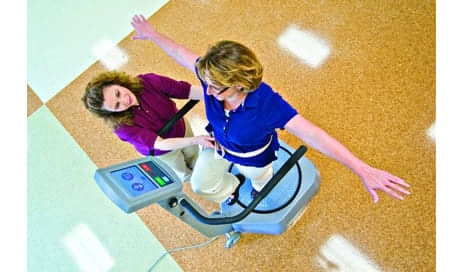
Innovation is changing the game for stroke programs. Evidence-based use of advanced technologies can help provide an enriched rehabilitation environment that improves outcomes and lifts the patient’s experience.
Read More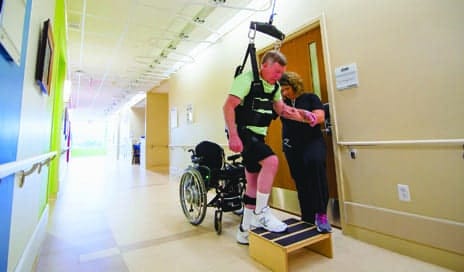
Getting the best out of plasticity and learning means therapeutic interventions that provide feedback, allow high repetition, and offer a safe environment for error.
Read More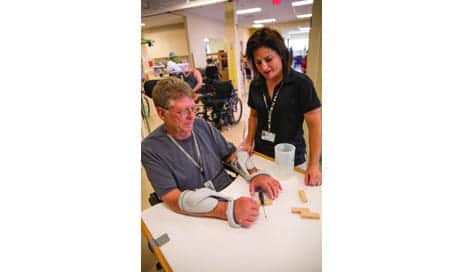
In the clinic, advanced technologies are helping therapists log superior outcomes, but getting there requires fully informed purchase decisions.
Read More
CIR Systems Inc, manufacturer of the GAITrite gait analysis systems, announces it has moved to a larger facility.
Read More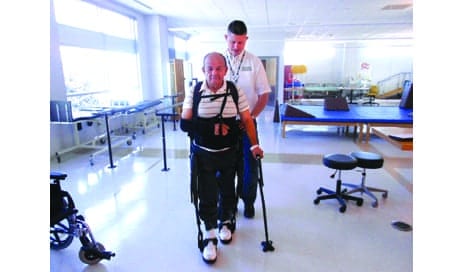
Kirk D. Endersby, PT, NCS, and Eric Schwelke, CPO, LPO, share about how a gait training program, supplemented by assistive technology and a skilled orthotics team, could help get patients back on their feet after stroke.
Read More