New Clues to Why Some Patients Struggle to Recover After Stroke
New research suggests that persistent micro-clots may help explain why some stroke patients experience poor recovery even after the primary clot is removed.
New research suggests that persistent micro-clots may help explain why some stroke patients experience poor recovery even after the primary clot is removed.

Good Shepherd Rehabilitation is the first clinical user in the U.S. to use the robotic exoskeleton to help people with stroke and spinal cord injury to walk.





Rehab Management spoke to a longtime PT at an acute care facility to find out what’s new in the landscape of inpatient stroke rehabilitation.





The Emagine trial will examine the effectiveness of a wearable electromagnetic therapy device in accelerating stroke recovery.
Read More
MedRhythms’s pivotal trial for MR-001 to treat gait deficits in chronic stroke was successfully completed and met its primary endpoint.
Read More
RUDN doctors analyzed the use of genetic fragments as markers or therapeutic targets for the treatment of ischemic stroke.
Read More
A Rutgers analysis of U.S. stroke deaths from 1975 to 2019 has found both a dramatic decline and the potential for an important resurgence.
Read More
A new PCORI-funded study will examine the effectiveness of a stroke treatment for patients with a pre-stroke disability.
Read More
Language function and the psychosocial well-being of patients and their families can be promoted with singing-based stroke rehabilitation.
Read More
Engineers from University of Delaware are studying how robotic exoskeletons can guide personalized stroke rehabilitation strategies.
Read More
In regaining lost function after a stroke, an apparent slowdown in progress may appear, but it is actually a sign of improvement.
Read More
Researchers say the flu vaccine lowers the risk of stroke among adults even if they are not at high risk for stroke.
Read More
Rehabilitation to address distorted body perception in stroke survivors may improve outcomes, according to researchers in a new study.
Read More
Psychosocial stress increased the risk of acute stroke by 17%. The occurrence of two or more stressful life events increased the risk by 31%.
Read More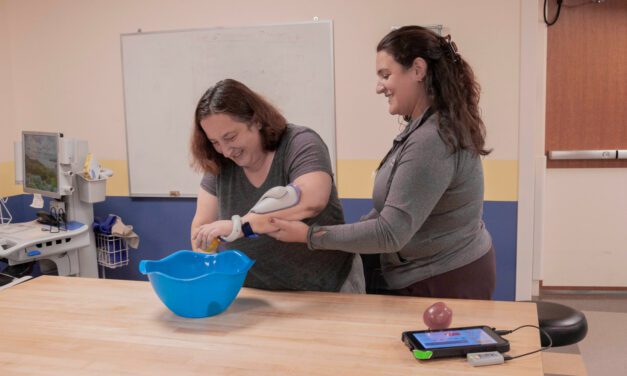
In this feature-length Rehab Management article, Stephanie Zanvettor, PT, CBIS, CCI, shares how the Young Stroke Program prepares stroke survivors of all ages for a return to their previously active lifestyles.
Read More
A new study demonstrated that shingles is associated with an almost 30% higher long-term risk of stroke or heart attack.
Read More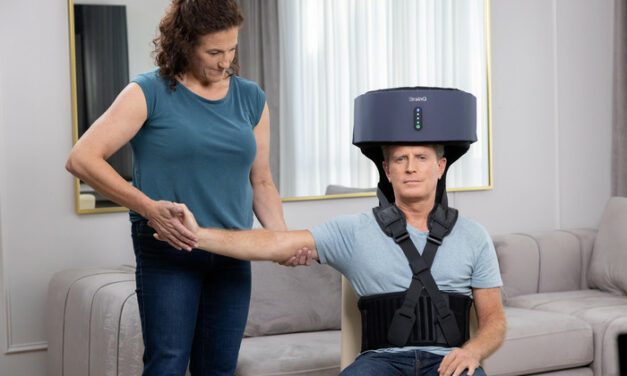
Kessler sites across the US are participating in the EMAGINE Stroke Recovery Trial of a BrainQ device for improving recovery after stroke.
Read More
Jefferson Health became the fifth US center to implant Vivistim, a new FDA-approved device to improve a stroke survivor’s upper mobility.
Read More