New Clues to Why Some Patients Struggle to Recover After Stroke
New research suggests that persistent micro-clots may help explain why some stroke patients experience poor recovery even after the primary clot is removed.

New research suggests that persistent micro-clots may help explain why some stroke patients experience poor recovery even after the primary clot is removed.
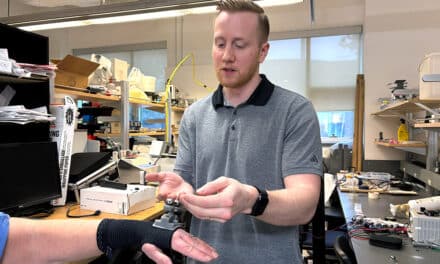
A new lightweight, passive wearable brace significantly reduces involuntary hand tremors without motors, batteries, or invasive procedures.




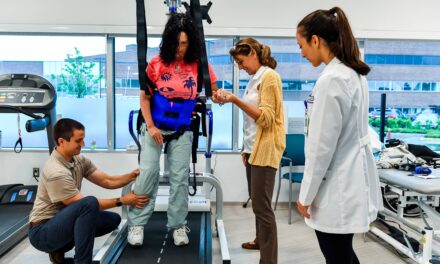
Innovations in rehabilitation techniques—from telehealth to advanced neurotechnology—are enhancing recovery outcomes for stroke survivors.


LimFlow’s FDA approval follows study results which found that the therapy enabled most patients treated to keep their leg and experience wound healing.

As more adults focus on improving their health in 2025, this is a good time to stress the importance of patients maintaining fine motor skills through targeted exercises and recreational activities to preserve independence and quality of life.
A large nationwide study finds that long-term exposure to a common industrial chemical in outdoor air is associated with an increased risk of Parkinson’s disease among older adults.

A four-year distribution agreement for the Provizio SEM Scanner, used to prevent pressure injuries, has not been extended.
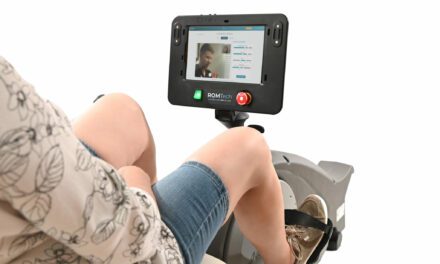
Over 105,000 patients have completed rehabilitation using PortableConnect Adaptive Telemed Technology, marking a major milestone in nationwide adoption.

High-frequency spinal cord stimulation effectively reduces muscle spasticity in patients with incomplete spinal cord injuries, enabling better rehabilitation outcomes.