New Clues to Why Some Patients Struggle to Recover After Stroke
New research suggests that persistent micro-clots may help explain why some stroke patients experience poor recovery even after the primary clot is removed.
New research suggests that persistent micro-clots may help explain why some stroke patients experience poor recovery even after the primary clot is removed.
Oxeia Biopharmaceuticals plans to enroll 160 patients in a Phase 2b clinical trial of OXE103 beginning in 2026, advancing what could become the first approved therapy for persistent concussion symptoms following promising Phase 2a results.




A new clinical trial shows that adjusting specific fatty acid intake through diet significantly reduces the frequency and intensity of persistent post-traumatic headaches (pPTH) in individuals with traumatic brain injury (TBI).






For the study, researchers looked at 546 people ages 18 to 49 who had an unexplained stroke and asked about their habits, including smoking.
Read More
A study suggests that enough daily summer sun exposure in infancy and during pregnancy may be linked to a lower relapse risk in children diagnosed with multiple sclerosis MS.
Read More
A Michigan Medicine-led study found that living in a disadvantaged community may significantly shorten ALS survival, highlighting the impact of socioeconomic factors on disease progression.
Read More
CurePSP awarded CARES grants to support collaborative, multi-center projects aimed at improving care, access, and education for patients with PSP, CBD, and MSA.
Read More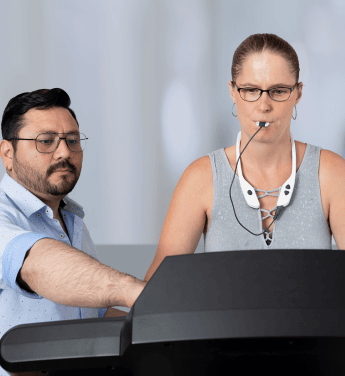
Helius Medical Technologies Inc. has surpassed initial enrollment targets for its stroke registrational program evaluating PoNS Therapy, a novel neuromodulation approach to improve gait and balance in stroke patients.
Read More
High-frequency spinal cord stimulation effectively reduces muscle spasticity in patients with incomplete spinal cord injuries, enabling better rehabilitation outcomes.
Read More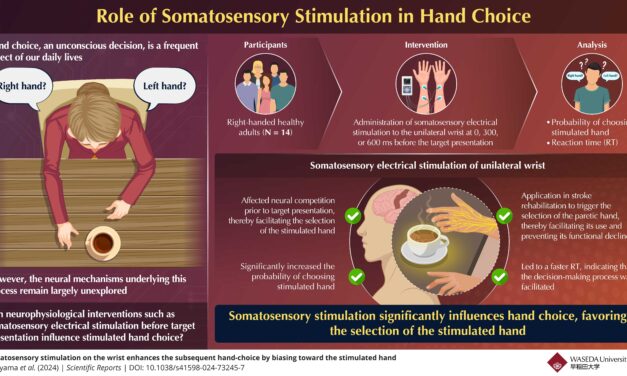
Researchers reveal the impact of neurophysiological interventions such as somatosensory electrical wrist stimulation on influencing hand-choice decision in stroke rehab.
Read More
A research team at Case Western Reserve University is pioneering a novel approach to multiple sclerosis (MS) treatment by targeting toxic astrocytes, with the goal of protecting and regenerating nerve cells.
Read More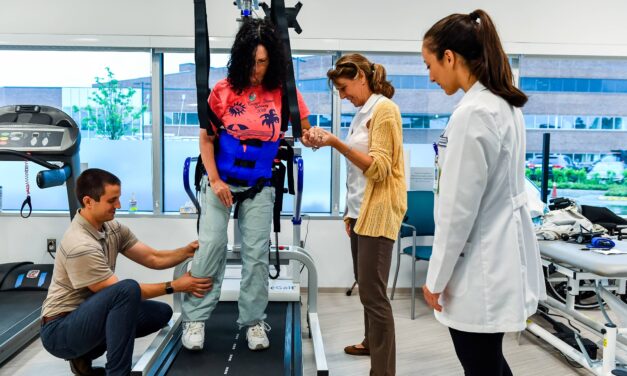
Innovations in rehabilitation techniques—from telehealth to advanced neurotechnology—are enhancing recovery outcomes for stroke survivors.
Read More
A large-scale study of military veterans suggests a possible link between hearing loss and increased risk of Parkinson’s disease.
Read More
UCI researchers’ discovery about ophthalmic acid offers new therapeutic potential for Parkinson’s and other movement disorders.
Read More
In people with primary progressive multiple sclerosis (MS), a new study compared the amount of time before disability worsened between people receiving certain MS therapies and those not receiving treatment.
Read More
AI is on the verge of true breakthroughs in the diagnosis, prognosis, and treatment of neurological disorders, including Parkinson’s and stroke.
Read More
Scientists developed an immunotherapy to minimize the damage from traumatic spinal cord injury, instead of repairing damaged tissue.
Read More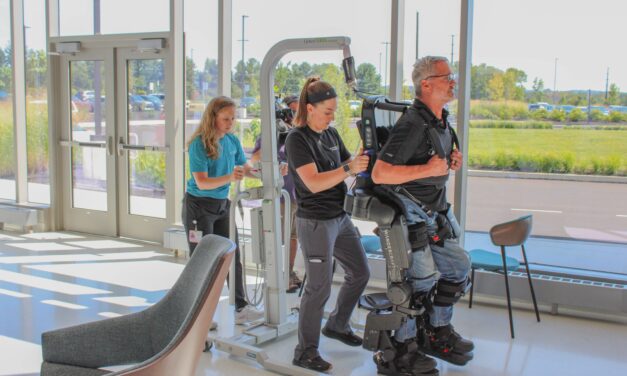
Good Shepherd Rehabilitation is the first clinical user in the U.S. to use the robotic exoskeleton to help people with stroke and spinal cord injury to walk.
Read More