Summary: UPnRIDE and Kessler Foundation are collaborating to study the real-world usability, functionality, and user experiences of UPnRIDE’s FDA-cleared upright mobility platform for people with disabilities.
Key Takeaways:
- Real-world research: The study will assess platform utilization, usability, function, and user experience among Kessler patients.
- Greater independence and participation: UPnRIDE enables users to move independently while standing, potentially supporting confidence, social engagement, and participation in work and community activities.
- Advancing rehabilitation outcomes: The collaboration aims to better understand how upright mobility technology can improve quality of life and expand opportunities for people with disabilities.
UPnRIDE, known for its FDA-cleared upright mobility platform, has announced a research collaboration with Kessler Foundation to further explore how innovative mobility technology can expand what is possible for people with disabilities.
The study is examining real-world utilization, usability, function, and user experience of UPnRIDE among Kessler patients, building on the platform’s extensive validation and body of real-world experience. The research will help advance understanding of what people with disabilities can do when they can move while standing upright in their everyday lives.
“Kessler Foundation is one of the most respected names in rehabilitation research, and this collaboration is an important vote of confidence in UPnRIDE and the possibilities that upright mobility can unlock,” said Lea Waisman Shaler, CEO of UPnRIDE. “We’ve seen firsthand how standing mobility can improve quality of life, encouraging people to participate, connect with others, build self-esteem, and feel better. This collaboration is about pushing those possibilities further for more people with disabilities.”
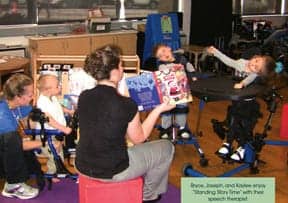
UPnRIDE enables users to move independently while standing, indoors and outdoors, bringing mobility beyond the traditional boundaries of the wheelchair and the clinic. Early users have reported standing every day, increased confidence moving while upright, use in work and community settings, and high satisfaction.
“Kessler Foundation is committed to advancing rehabilitation research that translates into meaningful improvements in the lives of people with disabilities,” said Karen Nolan, PhD, associate director in the Center for Mobility and Rehabilitation Engineering, and director of the Acquired Brain Injury Mobility Laboratory at Kessler Foundation. “Our collaboration with UPnRIDE gives us an opportunity to study how an innovative mobility platform is experienced and used in real-world settings. We are excited to explore not only how the technology functions, but what it can make possible for the people who use it,” Nolan added.

The collaboration comes as UPnRIDE expands its U.S. presence and works to make upright mobility available to more people worldwide. With FDA clearance and multiple validation efforts already behind the platform, the company is focused on the next frontier: expanding the capabilities, experiences, quality of life, and opportunities available to people with disabilities.
“UPnRIDE is more than a rehabilitation and mobility device. It is a life changer,” said Dr Hagay Amir, orthopedic surgeon and former Director of Loewenstein Rehabilitation Hospital. “Beyond the health benefits of enabling people with disabilities to stand – including improved blood circulation and respiratory function, reduced risk of pneumonia, reduced risk of urinary tract infections, and many others – the UPnRIDE technology transforms the lives of people with mobility impairments.”
To see UPnRIDE in action with real patients, click here.