A Speech Language Pathologist’s Perspective in a Post-COVID Era
By Rachel Noia, MS, CCC-SLP
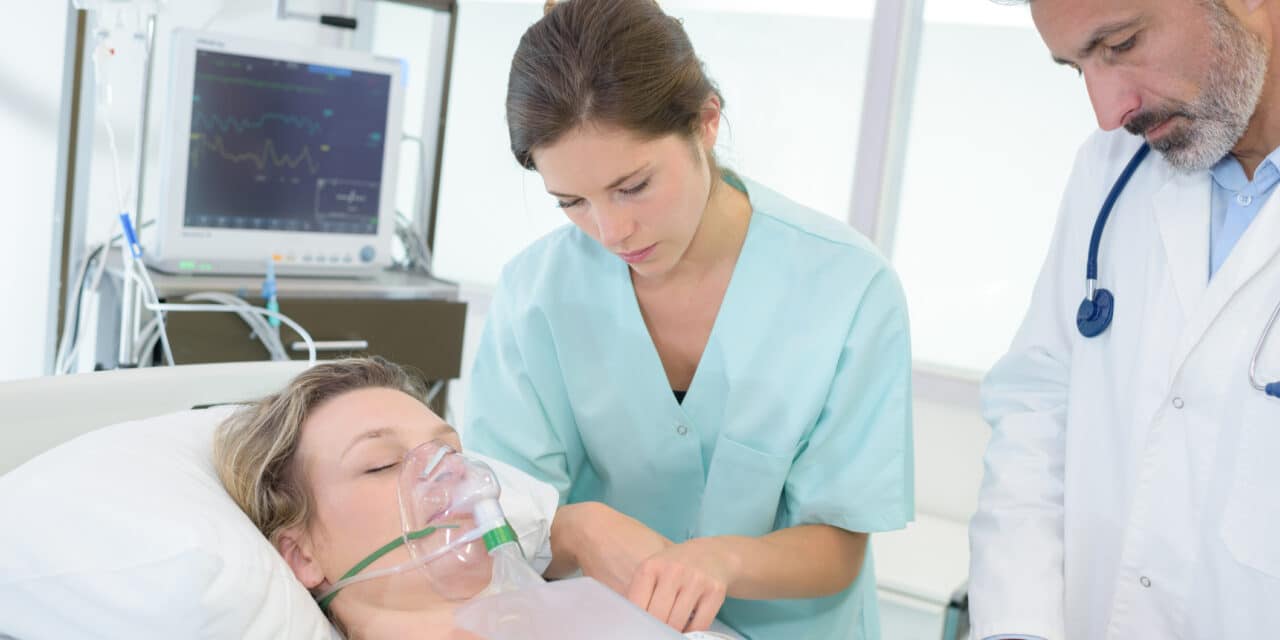
Featured image: Taking care of a patient. Photo: ID 160406846 © Auremar | Dreamstime.com
The memory is forever etched into my brain. One of our own. One of the best patient care technicians I had ever worked with. A woman who was devoted to serving her patients with such a loving heart and purposeful pair of hands. Now reduced to a ventilator, unresponsive. I remember feeling like she was almost melting into her hospital bed, ravaged by COVID, reduced to reliance on machines, wires, tubes to keep her alive. She was now a patient, my patient. Standing outside of her hospital room, so many thoughts swirled through my mind. Where to begin? How to begin? Checking my feelings at the door, I entered.
Most people think rehabilitation is about getting stronger, relearning everyday skills, and maximizing independence. And it is, but there is another kind of work happening every day that no one talks about.
It is emotional labor.
As a healthcare professional, it is never lost on me that I am meeting someone on arguably the hardest days of their lives. Many are young parents, like me. They never imagined they would be faced with the unthinkable. I arrive at their bedside and I am tasked with helping them speak again, eat again, remember their children’s names. It’s heavy. It’s profound. It’s sacred. I don’t take the responsibility lightly, and the heaviness doesn’t leave even when my session concludes. I take it with me. It feels like I just place it on a shelf, then I move on to the next patient. During the course of any given week, healthcare workers celebrate remarkable victories, but we also sit with fear, grief, uncertainty, and disappointment when we cannot fix what’s broken.
Healthcare professionals have to become experts at emotional compartmentalization.
We may walk out of one room after comforting a patient who failed yet another swallowing exam and then have to take one deep breath, smile, and walk into the next room to celebrate a patient’s first successful meal after weeks of therapy. Emotions vacillate. We learn to place each emotion on that shelf long enough to care for the person in front of us. Not because we don’t feel or want to feel those emotions, but because every patient deserves 100% of our attention.
The shelf isn’t always permanent.
It might not be at the end of the day or week or even month, but the shelf can come down. Sometimes during the drive home. Sometimes when you’re enjoying a day at the beach with your family. Sometimes at two o’clock in the morning when a particular patient unexpectedly enters our thoughts.
There is no productivity metric, billing code, or quality outcome that measures compassion.
Yet these moments are often at the heart of rehabilitation. Perhaps that is the most meaningful work we do. We are the quiet keepers of compassion.
My colleague, turned patient, went on to make a full recovery from COVID-19. She beat the odds. Slowly, day by day, pieces of her regenerated and strengthened. The person I knew began to reconfigure. She liberated from a ventilator, walked again, ate, smiled, and eventually returned to her family. It was the happy ending we all hoped for. I don’t think that I truly understood until years later how much I had compartmentalized all of that fear, uncertainty, imagery, and sadness I faced while treating her. I put it away on my shelf, but I honestly don’t think I ever put it down, nor do I think I ever could.
I think as healthcare workers, we all become experts at just carrying the load. Experiences sometimes forever stay with us, mold us, and quietly shape us into the clinicians we were meant to be. It is the price and the privilege of a career in healthcare.
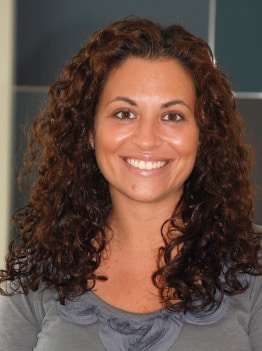
Rachel Noia, MS, CCC-SLP, is a clinical specialist in Dysphagia Education at Gaylord Specialty Healthcare, Wallingford, Conn, a provider of complex medical care and rehabilitative services. Noia, who specializes in medically complex dysphagia management and inpatient rehabilitation, received her Master’s Degree in Communication Disorders from Southern Connecticut State University. Her professional interests include: ethical considerations in dysphagia care, pneumonia prevention, and palliative dysphagia management. She is also a certified dementia practitioner.